


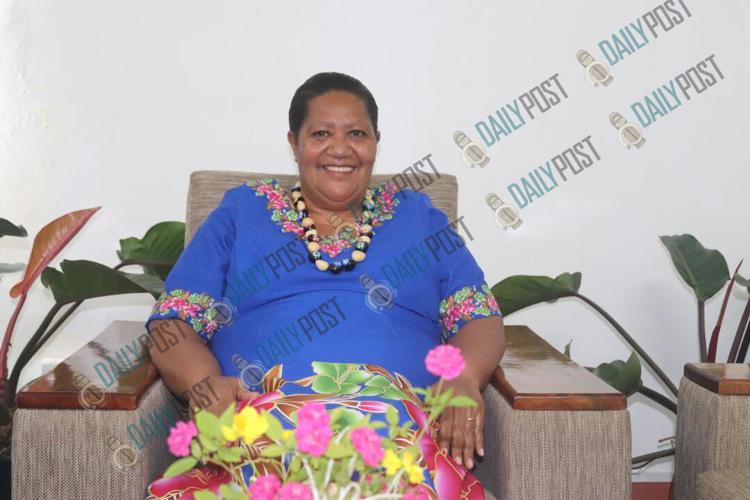

Sonja Haraldsen
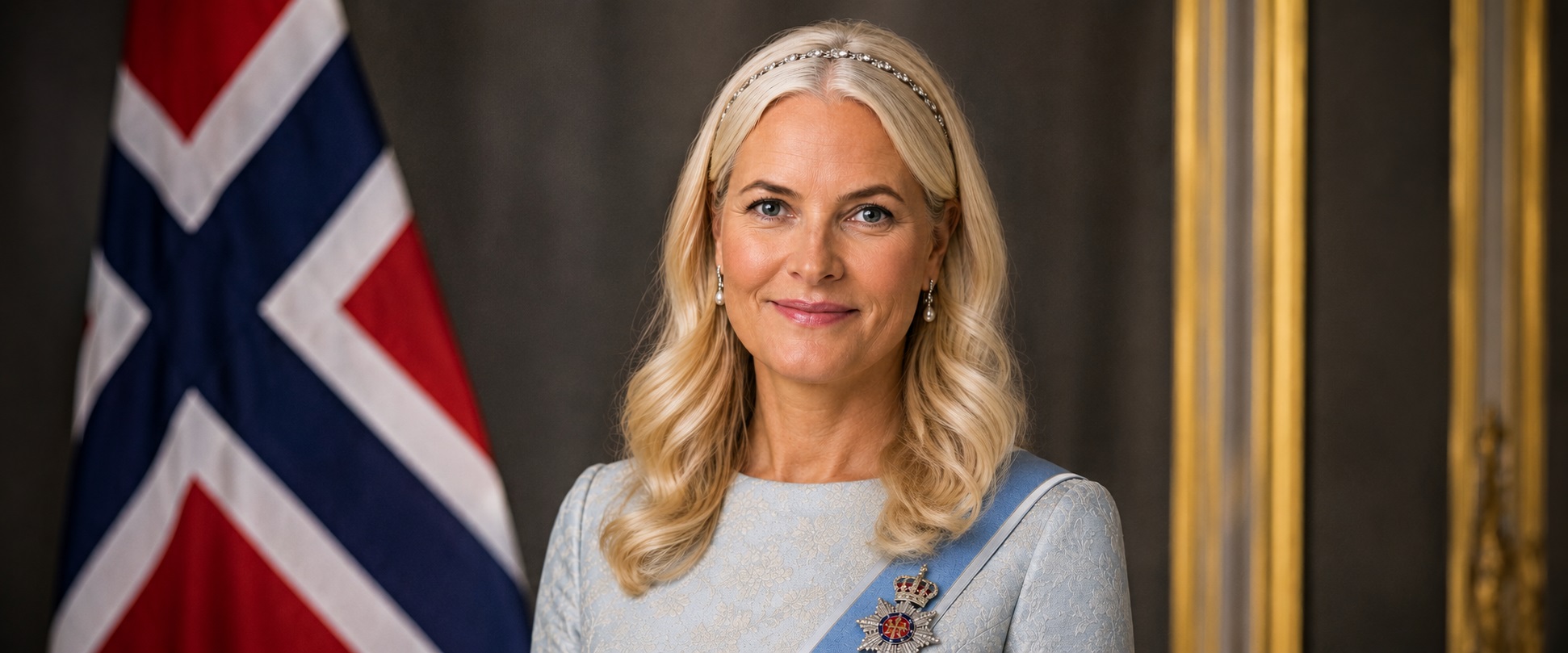
Full Name: Sonja Haraldsen
Native Name: Sonja Haraldsen
Role: Queen Consort of Norway (First Lady equivalent)
Spouse: Harald V
Children: Two (Märtha Louise and Haakon, Crown Prince of Norway)
Nationality: Norway (Norwegian)
Years Active as Queen Consort: 17 January 1991–present
Introduction
For more than three decades, Queen Sonja has stood at the heart of the Norwegian monarchy as the wife of King Harald V. Admired for her grace, intelligence, and unwavering commitment to public service, she is widely regarded as Norway’s equivalent of a First Lady. Throughout her reign, she has helped modernize the image of the royal family while championing the arts, culture, environmental conservation, and humanitarian causes.
Her journey to the throne was anything but straightforward. Born a commoner, Sonja’s relationship with the future king sparked one of the greatest constitutional debates in modern Norwegian history. For nearly a decade, the couple fought for permission to marry, facing opposition rooted in centuries-old royal tradition. Their perseverance not only secured their own future together but also transformed the monarchy, paving the way for greater acceptance of commoners marrying into European royal families.
Today, Queen Sonja is among Europe’s most respected royal consorts, known for combining warmth and humility with an enduring dedication to the Norwegian people.
Official Title: Queen Consort of the Kingdom of Norway
Queen Sonja serves as the Queen Consort of the Kingdom of Norway, supporting King Harald V in his constitutional and ceremonial duties. Although Norway does not have a “First Lady” in the republican sense, the Queen Consort fulfills the nation’s highest ceremonial role alongside the monarch.
As Queen, she accompanies the King on state visits, hosts foreign dignitaries, represents Norway internationally, and actively supports numerous charitable, cultural, educational, and humanitarian organizations.
Early Life
Queen Sonja was born Sonja Haraldsen on 4 July 1937 in Oslo to Karl August Haraldsen and Dagny Ulrichsen. Unlike previous queens of Norway, she was not born into royalty or nobility, making her future role unprecedented.
She received her education in Oslo before continuing her studies in fashion design, dressmaking, and social sciences in Norway, Switzerland, England, and France. Her broad educational background and international outlook would later prove invaluable in her royal duties.
Long before becoming queen, Sonja developed a lifelong appreciation for art, literature, nature, and outdoor life—interests that continue to define her public work.
Family Life
Queen Sonja met Crown Prince Harald in the late 1950s, and the two began a relationship that lasted for nine years before they were allowed to marry.
Because Sonja was a commoner, their relationship faced significant constitutional and political obstacles. At one point, Crown Prince Harald reportedly informed his father that he would remain unmarried if he could not marry Sonja.
Their determination ultimately prevailed, and on 29 August 1968, they married in Oslo Cathedral.
Together they have two children:
-
Märtha Louise
-
Haakon, Crown Prince of Norway
The couple has also become grandparents, and Queen Sonja remains deeply devoted to her close-knit family.
Becoming Queen
On 17 January 1991, following the death of King Olav V, Harald ascended the throne as King Harald V, and Sonja became Queen Consort of Norway.
Her accession marked another historic milestone. She became Norway’s first queen born a commoner in modern times, symbolizing the monarchy’s gradual adaptation to contemporary society.
From the beginning of her reign, Queen Sonja emphasized accessibility, public engagement, and cultural patronage, helping strengthen public affection for the royal family.
Public Role
Queen Sonja is among Norway’s most active royal figures.
She regularly accompanies the King on state visits, hosts official ceremonies, supports diplomatic engagements, and serves as patron of numerous organizations dedicated to health, education, the arts, women’s empowerment, and environmental protection.
An accomplished artist and passionate advocate for Norwegian culture, she has also played an important role in promoting contemporary art and preserving the nation’s artistic heritage.
Beyond her official duties, Queen Sonja is well known for her love of hiking. She has frequently explored Norway’s mountainous landscapes, inspiring many Norwegians to embrace outdoor life and environmental stewardship.
A Symbol of Modern Norway
Queen Sonja’s life mirrors Norway’s evolution into a modern constitutional monarchy.
Her marriage broke centuries-old conventions, demonstrating that love and merit could outweigh aristocratic tradition. Since then, she has become a symbol of openness, equality, and public service—values that resonate strongly within Norwegian society.
Her warmth, dignity, and accessibility have made her one of the country’s most admired public figures.
Legacy in Progress
After more than three decades as Queen Consort, Queen Sonja’s legacy is firmly established.
She has helped guide the Norwegian monarchy through an era of profound social change while maintaining its relevance in the twenty-first century. Through her patronage of the arts, humanitarian work, environmental advocacy, and steadfast support of King Harald V, she has become an enduring symbol of stability and compassion.
As Norway continues to balance centuries-old traditions with modern democratic ideals, Queen Sonja remains at its heart—a queen whose remarkable journey from commoner to consort reshaped the monarchy and whose lifelong service continues to inspire Norwegians and royal watchers around the world.
- 4 July 1937
- Norway
- Harald V
- 17 January 1991–present
