
Queen ‘Masenate Mohato Seeiso
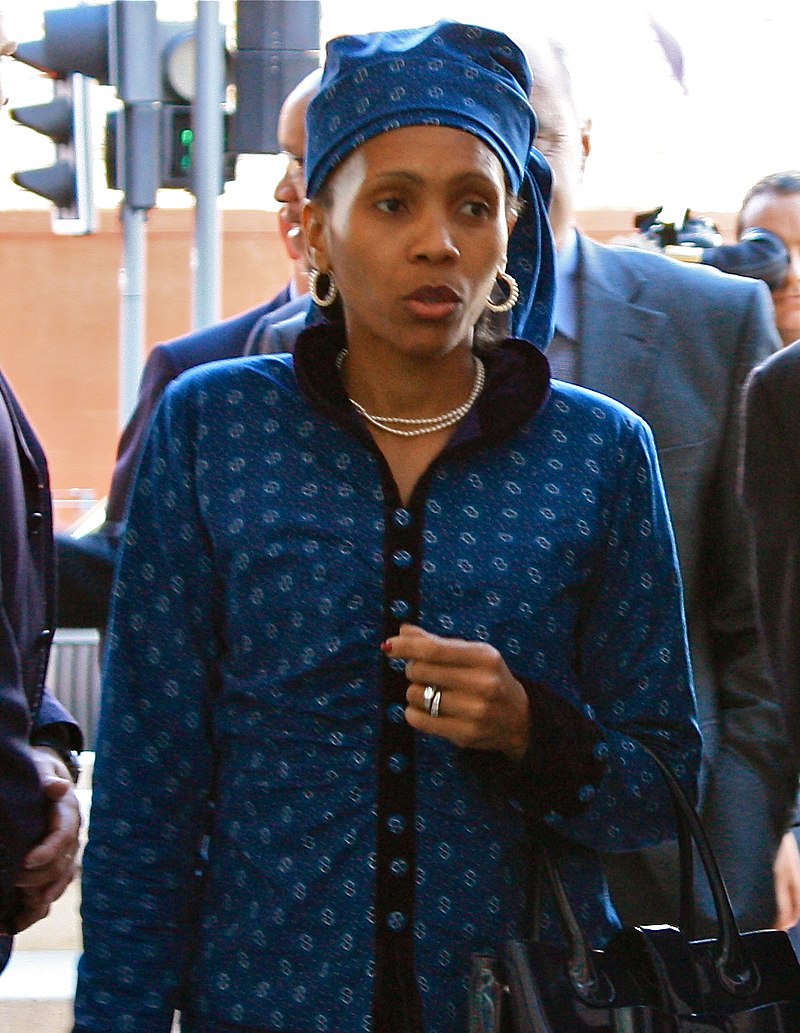
Masenate Mohato Seeiso (born Anna Karabo Motšoeneng, 2 June 1976) is the Queen of Lesotho, as the wife of King Letsie III. She holds the historic distinction of being the first commoner in modern Lesotho to marry into the royal family. Since her accession to queenship in 2000, she has committed herself to causes centered on education, public health, and the welfare of vulnerable communities, especially people living with HIV/AIDS and disabilities.
Early Life and Education
Born Anna Karabo Motšoeneng at Maluti Adventist Hospital in Mapoteng, Berea District, Queen Masenate is the eldest of five children of Thekiso Motšoeneng and his wife, ’Makarabo. Raised in a Roman Catholic household, she was christened Anna and imbued with values of faith, compassion, and service.
She began her education at Machabeng International College in Maseru, where she studied from 1990 to 1996. During her years there, she obtained the International General Certificate for Secondary Education (IGCSE) and completed the International Baccalaureate Diploma. In addition to academics, she actively participated in community service—volunteering at the Angela School for the Disabled and the Centre for the Blind. These early engagements would later foreshadow her royal philanthropic work.
In 1997, she enrolled at the National University of Lesotho (NUL), pursuing a Bachelor of Science degree. However, her academic trajectory was redirected following her relationship with King Letsie III. Despite not completing her studies, she has remained a staunch advocate for education and lifelong learning, including as a French-language student at the Alliance Française.
Meeting and Relationship with King Letsie III
Queen Masenate met King Letsie III in 1996, the same year he ascended to the throne for the second time after the tragic death of his father, King Moshoeshoe II. Their meeting marked the beginning of a relationship that would blend modern sensibilities with deeply traditional responsibilities.
Their engagement was announced in October 1999, capturing national and international attention. Masenate was not only a university student at the time but also a non-royal—a precedent-breaking future queen in the eyes of Lesotho’s public.
Royal Wedding and Historic Marriage
On 18 February 2000, Anna Karabo Motšoeneng became Queen Masenate Mohato Seeiso in a grand royal wedding held at Setsoto Stadium in Maseru. The ceremony, officiated by Archbishop Bernard Mohlalisi, was attended by approximately 40,000 people, including high-profile guests such as Nelson Mandela, Festus Mogae, Bakili Muluzi, and Charles III, then Prince of Wales.
The marriage marked the first time in modern Lesotho that a member of the royal family had wed a commoner, signaling a shift in the monarchy’s relationship with the public. Queen Masenate credited her late mother-in-law, Queen ’Mamohato, for helping her transition into royal life, calling her a nurturing and stabilizing influence. Her bond with King Letsie III has remained strong, as she once shared in a candid 2014 interview: “I love him dearly every day. His Majesty is very reserved, respectful, patient, wise and humble…and he listens to my advice, even about what music or clothes to choose.”
Family and Children
Queen Masenate and King Letsie III have three children:
-
Princess Senate Mohato Seeiso (born 7 October 2001)
-
Princess ’Maseeiso Mohato Seeiso (born 20 November 2004)
-
Prince Lerotholi David Mohato Bereng Seeiso (born 18 April 2007)
All three were born at private hospitals, and the Queen has been vocal about the joys and regrets of motherhood. She has publicly expressed her wish to have had more children, acknowledging the biological limits and medical advice related to later-age pregnancies.
Charitable and Social Engagements
Queen Masenate has dedicated her queenship to championing social causes. She serves as patron of several organizations, including the Lesotho Red Cross Society, SOS Children’s Village, and her alma mater, Machabeng International College. She is particularly known for advocating for people with disabilities and has committed herself to programs that uplift their voices and inclusion in society.
Following the death of Queen Mother ’Mamohato in 2003, she assumed leadership of the Hlokomela Bana Foundation (Take Care of Children), which supports orphans and vulnerable youth in Lesotho.
Public Health Advocacy
One of Queen Masenate’s most visible contributions to national development has been her activism around HIV/AIDS awareness and care. She has visited numerous AIDS clinics and orphanages across the country and used her platform to destigmatize the disease. She encourages open dialogue about public health and holds a First Aid Certificate, reflecting her personal dedication to health education and emergency care.
Public Image and Influence
Queen Masenate is widely admired for her humility, warmth, and modern outlook. Her transition from commoner to Queen has inspired many young women in Lesotho and across Africa. While she maintains the formal dignity of a royal consort, she also brings a grounded sensibility to the monarchy, often interacting directly with the public during charity events and school visits.
Her sense of style and poise have been praised, but it is her ability to connect with people and bring authenticity to her role that has defined her public image.
National and Foreign Honours
- Lesotho: Dame Commander of the Most Dignified Order of Moshoeshoe
- Lesotho: Prince Mohato Award Bronze Medal (June 1993)
- France: Commander of the Order of Academic Palms (7 May 2018)
- 2 June 1976
- Lesotho
- King Letsie III
- 18 February 2000 – Present