


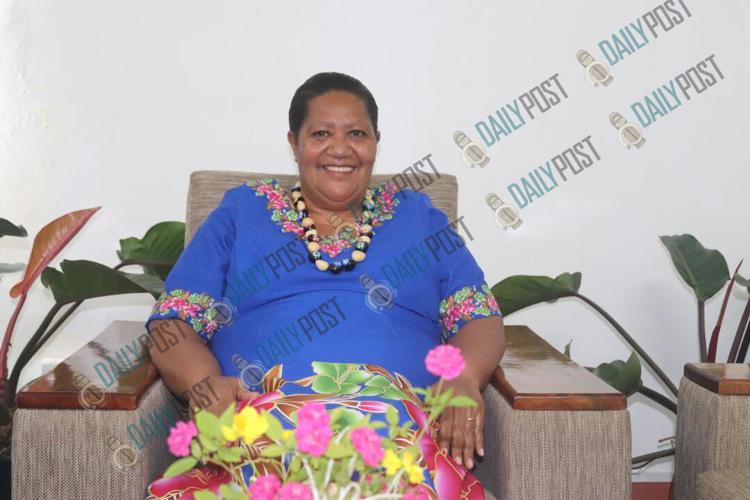

Kadra Mahamoud Haid
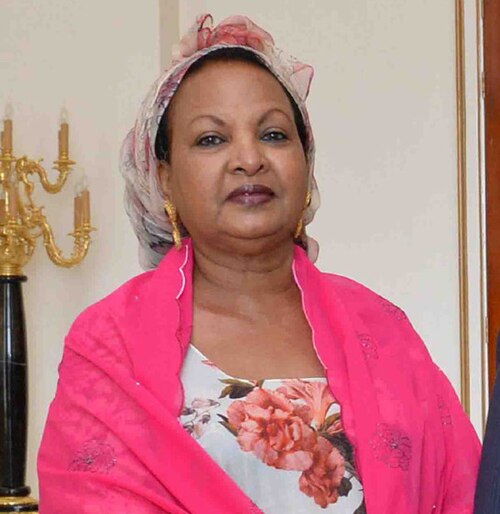
Kadra Mahamoud Haid was born in Djibouti, where she completed her early education. She pursued higher studies, earning a degree in political science, which provided a foundation for her later political engagement and influence within Djibouti.
Political Career
Married to President Ismaïl Omar Guelleh, Kadra Mahamoud Haid has played a pivotal role in Djibouti’s political landscape. Since her husband’s rise to power in 1999, she has served as the country’s First Lady, becoming one of the most influential figures in the government. She holds the presidency of the Union Nationale des Femmes Djiboutiennes (UNFD), an organization dedicated to advancing women’s rights and gender equality across Djibouti. Her political influence has often been described as that of a de facto vice president, with significant sway over national decision-making and governance.
Advocacy and Social Initiatives
Kadra Mahamoud Haid has been a leading advocate against female genital mutilation (FGM), a widespread practice in Djibouti despite its official prohibition. In 2003, she publicly condemned FGM, emphasizing its damaging effects on the health and dignity of women. Her activism extends to broader social initiatives focusing on women’s empowerment, education, healthcare, and combating malnutrition. She has worked to improve conditions especially in vulnerable regions such as Tadjourah, supporting programs aimed at elevating the status and wellbeing of women and children.
Personal Life
Kadra Mahamoud Haid is mother to five children. Through her marriage to President Guelleh, she has two daughters and a son: Haibado, who serves as a presidential adviser; Fatouma-Awo, a businesswoman; and Ainache. From a previous marriage to Mahamed Abdallah Kamil, she has a son, Naguib Abdallah Kamil, who is reportedly being prepared for significant political responsibilities, and a daughter, Nazli, also active in business.
Legacy and Influence
Beyond her formal role as First Lady, Kadra Mahamoud Haid is widely recognized as a major political force in Djibouti. Her involvement in governance, social reform, and advocacy for women’s rights has earned her a reputation as a power broker and champion of social progress. Her influence has helped shape key policies and foster development projects aimed at improving the lives of the Djiboutian people.
- 8 January 1952
- Djibouti
- President Ismaïl Omar Guelleh
- 8 May 1999 - Present
