


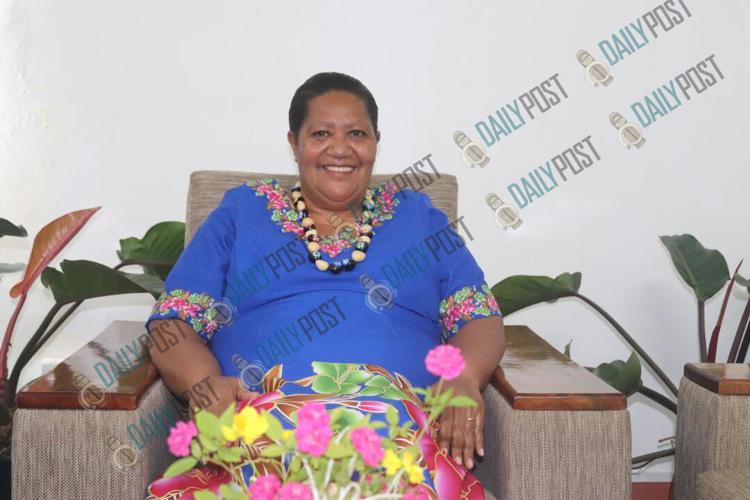

Aseefa Bhutto Zardari

Aseefa Bhutto Zardari
Native Name: آصفہ بھٹو زرداری
Spouse: None
Children: None
Nationality: Pakistani
Introduction
In a departure from tradition, Aseefa Bhutto Zardari became Pakistan’s First Lady in 2024—not as the wife of the president, but as his daughter. When her father, Asif Ali Zardari, assumed the presidency for a second time, he designated Aseefa to carry out the ceremonial responsibilities traditionally associated with the presidential spouse, making her one of the few women in modern history to serve as First Lady in this capacity.
Born into Pakistan’s most influential political dynasty, Aseefa is the youngest child of former President Asif Ali Zardari and the late Benazir Bhutto—the first woman to lead a democratic government in a Muslim-majority nation. Raised amid extraordinary political triumphs and personal tragedy, she has inherited a legacy deeply intertwined with Pakistan’s democratic journey.
Although she has long maintained a relatively low public profile compared to her elder siblings, Aseefa has steadily emerged as an important public figure, combining humanitarian work with ceremonial duties while representing a new generation of Pakistan’s Bhutto-Zardari family.
Official Title: First Lady of the Islamic Republic of Pakistan
Pakistan has no constitutional office of “First Lady.” Traditionally, the title is informally applied to the spouse of the President. However, because President Asif Ali Zardari is widowed following the assassination of Benazir Bhutto in 2007, his daughter Aseefa Bhutto Zardari has assumed the ceremonial responsibilities of the First Lady.
In this role, she accompanies the President during selected state occasions, receives distinguished guests when appropriate, and represents the Presidency at official ceremonies, charitable events, and national commemorations.
Early Life
Aseefa Bhutto Zardari was born on 3 February 1993 in Karachi. She is the youngest of three children born to Benazir Bhutto and Asif Ali Zardari, alongside her brother Bilawal Bhutto Zardari and sister Bakhtawar Bhutto Zardari.
Her childhood was shaped by the extraordinary demands of political life. As the daughter of Pakistan’s prime minister and later its president, she experienced both privilege and profound hardship. The assassination of her mother in December 2007, when Aseefa was just fourteen years old, became one of the defining moments of her life.
She later pursued higher education abroad, studying in the United Kingdom while maintaining close ties to her family’s political and humanitarian activities.
Family Life
Aseefa belongs to the renowned Bhutto political family, whose influence has shaped Pakistan for generations.
Her grandfather, Zulfikar Ali Bhutto, founded the Pakistan Peoples Party (PPP), while her mother, Benazir Bhutto, twice served as Prime Minister and became an international symbol of democratic leadership.
Aseefa remains unmarried and has no children. She shares a close relationship with her father and siblings and continues to support the political and charitable legacy established by her parents.
Becoming First Lady
On 10 March 2024, Asif Ali Zardari was sworn in as President of Pakistan for a second term.
As a widower, he had no spouse to fulfill the ceremonial duties traditionally associated with the presidency. Consequently, Aseefa Bhutto Zardari assumed the role of First Lady, becoming one of the few presidential daughters in the world to perform these responsibilities.
Her appointment carried both symbolic and historical significance, reinforcing the enduring influence of the Bhutto-Zardari family in Pakistan’s political landscape while highlighting the evolving nature of ceremonial state roles.
Public Role
As First Lady, Aseefa participates in official ceremonies, receives distinguished guests, and accompanies the President during important national events.
Beyond these duties, she has become increasingly involved in humanitarian causes, particularly those relating to public health, women’s empowerment, education, and child welfare.
She has also represented Pakistan at various commemorative events, emphasizing the values of public service, democracy, and social development that have long been associated with her family’s legacy.
Although she is not an elected official, her public role has grown steadily as she supports both the Presidency and charitable initiatives across the country.
A Symbol of Political Legacy
Aseefa Bhutto Zardari embodies the continuation of one of South Asia’s most influential political families.
Her appointment as First Lady reflects both tradition and adaptation. While Pakistan’s presidential spouse has historically been a wife, Aseefa demonstrates that the ceremonial responsibilities of the office can also be fulfilled by a close family member when circumstances require.
Her quiet confidence, commitment to public service, and connection to Pakistan’s democratic history have made her an increasingly respected public figure in her own right.
Legacy in Progress
Because her tenure began only in 2024, Aseefa Bhutto Zardari’s legacy is still unfolding.
Already, however, she has secured a distinctive place in Pakistan’s constitutional history as the daughter of a sitting president entrusted with the ceremonial role of First Lady. She carries forward the legacy of Benazir Bhutto while helping to redefine the modern public role of the presidential family.
As Pakistan continues to navigate the challenges and opportunities of the twenty-first century, Aseefa Bhutto Zardari stands as a bridge between past and future—honoring her family’s historic contributions while forging her own path in national service.
- Aseefa Bhutto Zardari
- Pakistan
- None
- 10 March 2024–present
