


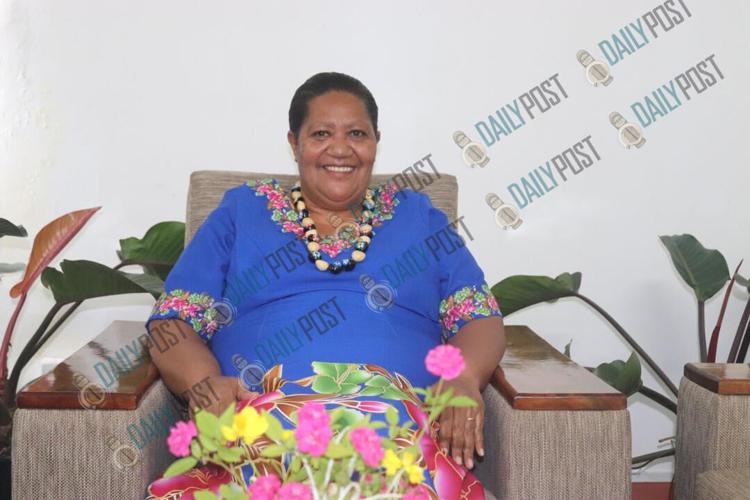

Inkhosikati LaMahlangu
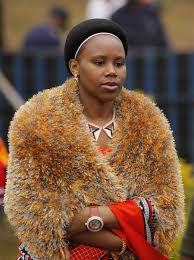
Inkhosikati LaMahlangu is the tenth wife of King Mswati III of Eswatini, born Zena Soraya Mahlangu in 1984. Her induvction into the royal family gained international attention when she was controversially taken from her school in 2002 by royal emissaries, a move that was challenged in court by her mother. Despite the legal and ethical outcry, she officially became one of the king’s wives and assumed the title Inkhosikati LaMahlangu.
Role as First Lady
As a queen consort in a nation where the monarchy is deeply rooted in tradition, Inkhosikati LaMahlangu fulfills ceremonial, cultural, and symbolic duties within Eswatini. Her presence at major state functions, such as the Incwala (First Fruits ceremony) and Umhlanga (Reed Dance), reinforces the authority and heritage of the monarchy. Though she keeps a low profile, her alignment with the king in public events represents unity and continuity in royal customs.
Impact on Eswatini
LaMahlangu’s marriage into the royal household strengthened the monarchy’s ties to the Mahlangu clan, further cementing socio-political alliances that are customary in Swazi royal marriages. While not overtly political or philanthropic on the international stage, her symbolic role contributes significantly to preserving Swazi traditions, national identity, and internal cohesion. She stands as a quiet but firm figure of royalty, bridging generational expectations within a modernizing society.
Global Relevance
Although she does not take part in global campaigns or prominent diplomacy, Inkhosikati LaMahlangu’s story has drawn international awareness to the cultural dynamics and gender politics of Eswatini. Her life reflects the complex intersection of tradition, monarchy, and modern human rights discourse, offering a unique case study in the global understanding of African royal systems and their societal implications.
Legacy
Inkhosikati LaMahlangu’s legacy lies in her continued presence within the royal structure, embodying the tension and balance between tradition and change. Her life, though largely private, is emblematic of a monarchy that holds steadfast to ancestral customs while being increasingly observed by a global audience. Her story has become part of the ongoing narrative of Eswatini’s royal family and its role in shaping the nation’s cultural and political fabric.
- 23 October 1984
- Eswatini
- King Mswati III
- 2002 - Present
