


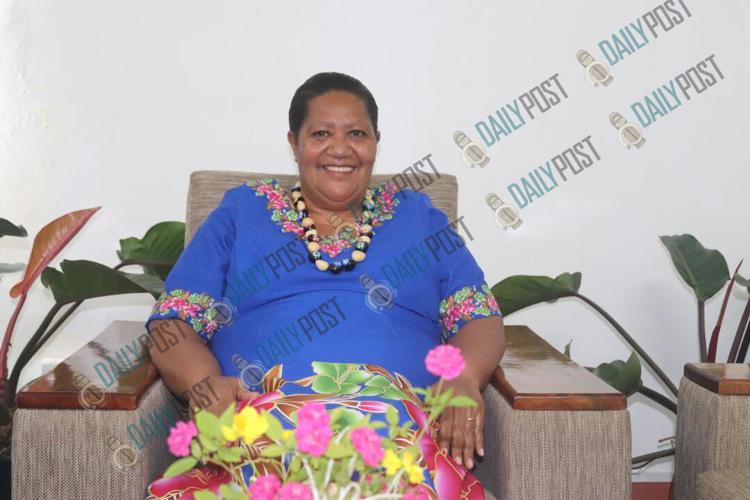

Rosângela Lula da Silva

Rosângela Lula da Silva (born January 27, 1966) is a Brazilian sociologist, social activist, and first lady of Brazil, married to Luiz Inácio Lula da Silva, the 39th President of Brazil. She has played a significant role in social and political movements in Brazil, championing causes related to gender equality, poverty alleviation, and human rights. Known for her distinct activism and her focus on community empowerment, Rosângela has significantly impacted public life in Brazil both as a private citizen and as the partner of the president.
Early Life and Education
Rosângela Lula da Silva was born in Garanhuns, Pernambuco, a city in the northeast of Brazil. Raised in a modest household, she developed a strong sense of social justice and solidarity from an early age. Rosângela pursued her academic studies in sociology, a field through which she cultivated a deep understanding of societal inequalities, especially concerning women and marginalized groups. She graduated from the Federal University of Pernambuco, where her interest in social issues was honed.
Activism and Advocacy
Throughout her life, Rosângela was active in various grassroots organizations, particularly those focusing on women’s rights and the empowerment of marginalized communities. Before marrying Lula, she was involved in several social movements, working alongside non-governmental organizations (NGOs) that promoted educational initiatives, community building, and gender equality.
Her early activism was primarily centered on improving conditions for women, particularly in rural areas and impoverished urban communities. She advocated for improved access to healthcare, education, and employment opportunities for women, especially in the northeast of Brazil, where such services were often inadequate.
Personal Life and Marriage to Lula
Rosângela met Luiz Inácio Lula da Silva, a prominent political figure and labor leader, in the 1990s. The couple married in 2004, and their relationship became one of Brazil’s most recognized political partnerships. While Lula became known for his progressive political views and his rise to the presidency, Rosângela was equally known for her advocacy and her personal commitment to social causes.
Together, the couple has one child, and Rosângela has supported Lula throughout his political career, contributing to his initiatives for poverty reduction and social equality. Despite the public spotlight on her as the first lady, she has largely maintained a focus on her social work and often refrained from seeking attention or acclaim for her role.
Role as First Lady
When Luiz Inácio Lula da Silva assumed the presidency in 2003, Rosângela Lula da Silva became the First Lady of Brazil. In this role, she focused her attention on programs aimed at improving the lives of Brazil’s poorest populations, particularly women and children. Her efforts were instrumental in initiatives like the “Bolsa Família” program, a social welfare program that provides financial assistance to low-income families.
As first lady, Rosângela was also a key figure in promoting the empowerment of women through initiatives supporting women’s entrepreneurship, health, and education. Her advocacy work centered on ensuring that women had access to equal rights and opportunities, a cause she had been committed to long before entering the political sphere.
She also engaged in international diplomacy in her role, representing Brazil in various international forums on issues such as human rights, gender equality, and global poverty. Rosângela’s work during her husband’s presidency emphasized the importance of inclusive policies that recognized the needs of marginalized groups in Brazil.
Advocacy for Women’s Rights
Rosângela is particularly known for her tireless advocacy for women’s rights. She helped establish the National Secretary for Women’s Policies, a government agency aimed at reducing gender-based violence and promoting equal opportunity for women in all sectors of Brazilian society. Her efforts included expanding access to support services for women suffering from domestic violence and promoting the economic independence of women.
Post-Presidency and Legacy
Following her husband’s presidential term, Rosângela continued her advocacy work through various initiatives, focusing on strengthening civil society organizations and promoting sustainable development. She remained involved in causes relating to social inclusion, gender equality, and education, working with both Brazilian and international NGOs to further these goals.
Her legacy as first lady is shaped not only by her work in government but also by her lifelong dedication to activism and the improvement of living conditions for the disadvantaged. Though she shunned the limelight, her efforts as a quiet but powerful force for change left a lasting impact on Brazil’s social landscape.
Personal Characteristics and Public Perception
Rosângela Lula da Silva is admired for her humility, tenacity, and deep commitment to social justice. She is known for her empathetic approach, prioritizing the needs of the people above personal recognition. Unlike many first ladies, who often engage in formal political affairs, Rosângela maintained a low-key presence in the public sphere but was nonetheless regarded as an essential figure in Brazil’s social reform efforts.
Her personal style is often described as understated, and she has consistently demonstrated a preference for practical and modest clothing, choosing function over fashion. Her public persona has been that of a determined and grounded individual, focused on the well-being of society’s most vulnerable.
Legacy and Influence
Rosângela Lula da Silva’s work continues to be an inspiration for many social activists in Brazil and beyond. Her contributions to the promotion of women’s rights, poverty alleviation, and human rights have earned her widespread respect and admiration. While she has never sought the spotlight, her influence is undeniable in shaping the social policies of Brazil during her husband’s presidency and beyond.
Conclusion
Rosângela Lula da Silva’s life is a testament to her unwavering commitment to social justice, equality, and human dignity. From her early activism in rural communities to her impactful role as Brazil’s first lady, she has worked tirelessly to improve the lives of Brazil’s most marginalized citizens. Though often in the background of her husband’s political career, Rosângela’s contributions have been fundamental to the advancement of social causes in Brazil. Her legacy is one of quiet strength, unrelenting passion for justice, and a deep love for the people of Brazil.
- 27 August 1966
- Brazil
- President Luiz Inácio Lula da Silva
- 1 January 2023 - Present
